
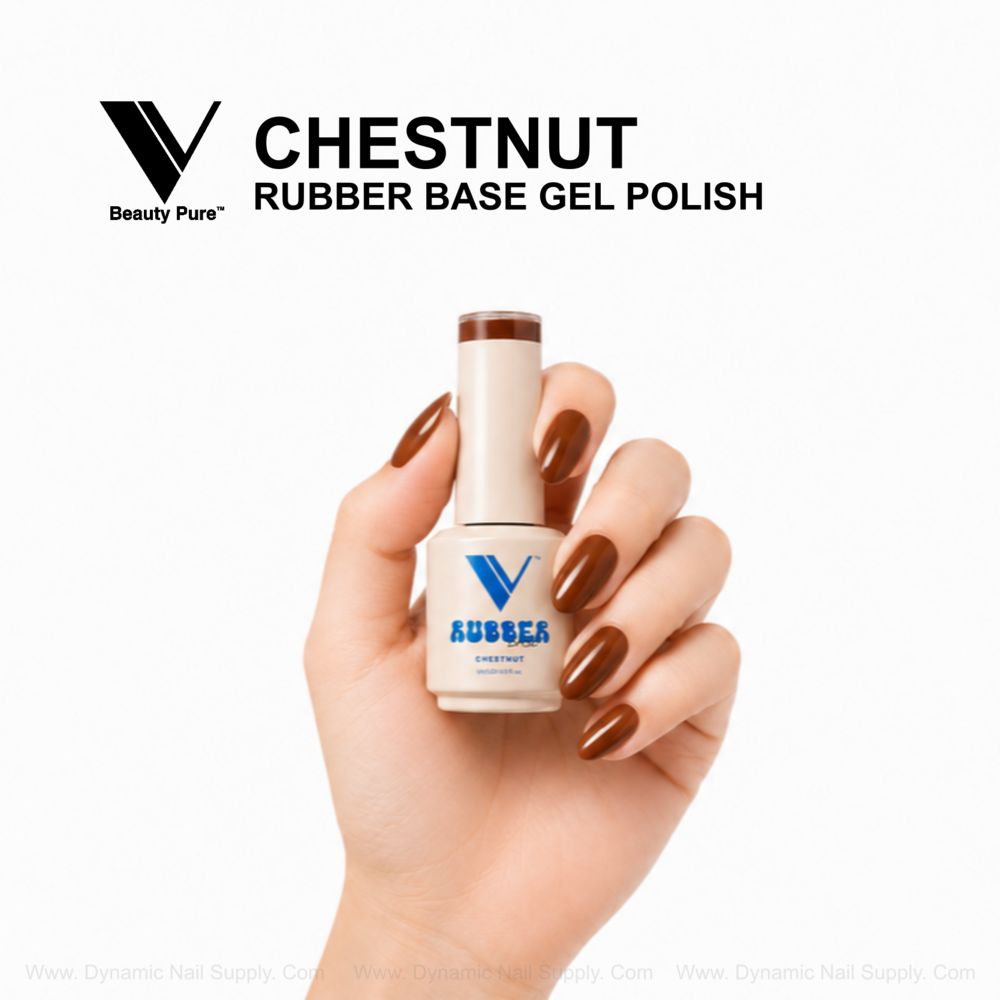
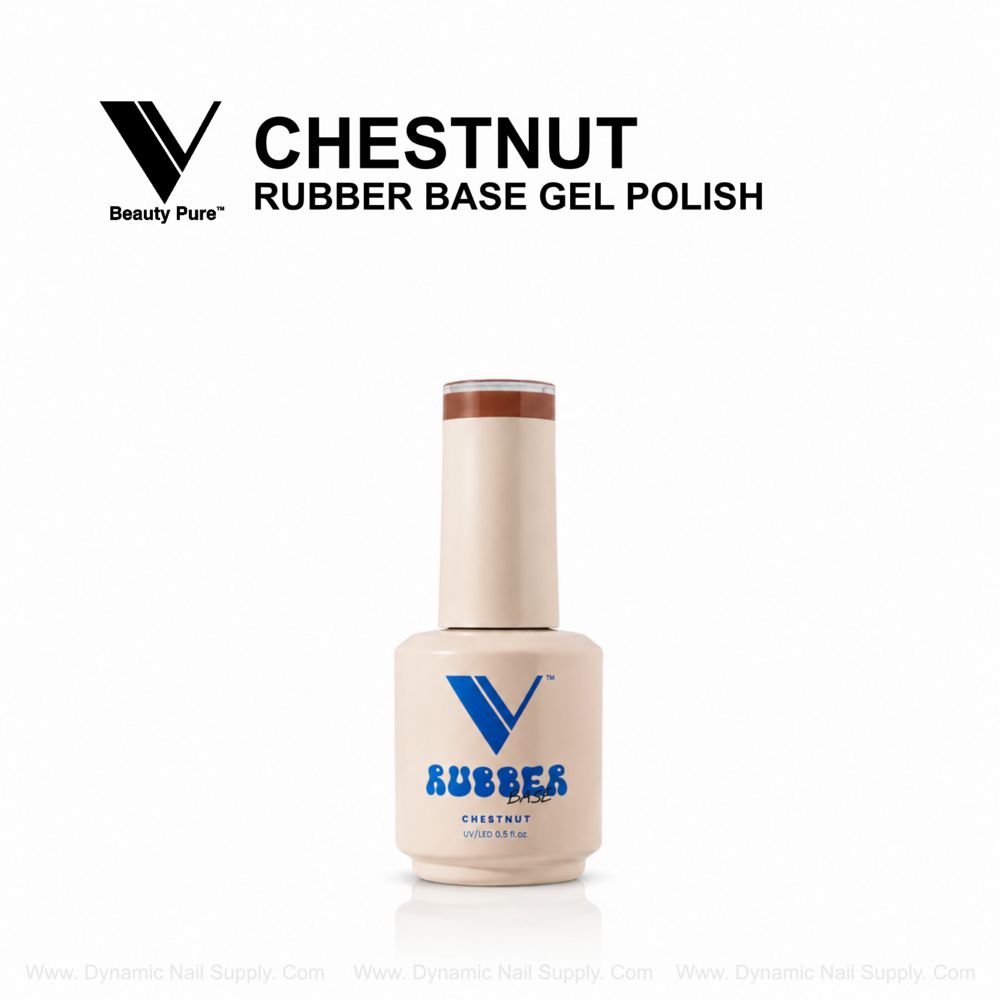
Chestnut Rubber Base Gel Polish is a rich, high-gloss cream base designed to strengthen natural nails while delivering opaque, warm-brown coverage ideal for autumn looks.
How should you set up the station for fall-ready almond and rounded shapes?
Start with a predictable station rhythm: consistent light, calibrated LED lamp, a firm manicure cushion and a fresh disposable brush for cleanup. For Chestnut, your goal is thin, controlled layers that preserve the shade’s creamy opacity while keeping cure times consistent. Use 60-second LED cures and 15–30 second lamp warm-up cycles between clients if the lamp has variable output. Keep bottle necks wiped and the brush heel free of product build-up so the first pull of color is predictable.
Prep matters more with warm neutrals: remove oils with a non-wipe cleanser, lightly dehydrate with alcohol only when necessary, and avoid aggressive buffing that thins the nail plate. For short natural nails, a single thin build plus a reinforcing second thin layer will give the strength you need without sacrificing the chestnut’s coverage.
Which application sequences create the most consistent salon results?
Work in strict micro-steps: one thin sealing pass at the cuticle edge, one thin full-surface coat, then a second thin build for structure. For long almond nails shown in the photo, maintain a wet bead at the free edge to encourage a flawless high-gloss apex; the chestnut formula self-levels so you can use that wet bead to smooth the surface before curing.
- Edge control: cap free edge on every coat to lock wear resistance and reduce lift.
- Layer count: 1–2 thin coats; adjust the second coat only where structural reinforcement is needed.
- Brush technique: use short, decisive strokes toward the free edge rather than long trailing strokes to avoid streaking in a cream finish.
When you need a warm-toned French over a sheer beige base, cure a sheer neutral base first, then freehand or use guides to paint chestnut tips with a slightly thicker bead for opacity. If you want a minimalist single-color set, thin, even coats yield the reflective, opaque cream finish that reads professional and office-appropriate.
How do you use Chestnut Rubber Base effectively in layered autumn sets?
Think of this product as both reinforcement and final color: it supports weak nails while giving full-coverage chestnut brown in one or two coats. For layered looks—warm-toned French tips over sheer beige or a monochrome minimalist set—cure the base layer fully and then build the chestnut in controlled passes. For faster service, apply a slightly thinner first coat and add targeted opacity where the nail needs it, rather than a full heavy second coat.
When you plan accent nails, use the chestnut as the anchor color and introduce a single logo-color accent or neutral beige to keep the set cohesive. For service scripting and retail, note that this product is sold at around $16.70 and prices may change.
For styling references and to decide how to position this tone in seasonal collections, use Chestnut Rubber Base as the primary builder base in your autumn menu when clients ask for a warm, long-wearing nude-brown option.
What finishing and cleanup practices preserve the cream gloss and prevent chipping?
- After final cure, wipe tack layer only when the product calls for it; many cream bases leave a smooth surface without sticky residue.
- Finish with an adhesive topcoat pass or a high-gloss soak-off compatible top that complements the base’s reflective sheen.
- File sparingly—Chestnut’s self-leveling surface reduces the need for aggressive shaping; refine edges with a 240–320 grit to keep the almond silhouette crisp.
For long-wear service, remind clients to avoid prolonged contact with harsh detergents and to use gloves for heavy tasks. Regular oiling at the cuticle supports the natural nail beneath the overlay and extends client satisfaction with the finish.
How do shape and skin tone choices affect the final look?
The chestnut cream reads warm and sophisticated on a wide range of skin tones; it particularly flatters warm and neutral undertones. Almond and rounded shapes keep the color modern and wearable—almond elongates, rounded reads tidy for shorter nails. For very short nails, reduce layer count and focus on edge capping to preserve the impression of full coverage without bulk.
Mini glossary:
- Cap the edge: sealing the free edge with product to lock wear.
- Self-leveling: product characteristic that smooths minor brush marks before curing.
- Build: intentional second coat added for structure rather than color alone.
Safety and handling: avoid contact with skin during application to minimize lifting. Use standard salon PPE when needed and follow the manufacturer’s soak-off removal instructions for safe, damage-minimizing removal.
Three quick troubleshooting prompts
If you see bubbling, check for trapped solvents or over-thick application before curing. If edges lift, ensure cap-and-cure discipline and correct prep. If the finish looks streaked, thin your layer and rely on the self-leveling action of the chestnut formula.
Mini FAQ
- Can I wear Chestnut alone for a service? Yes—its opaque cream finish and reinforcing properties make it suitable as a standalone overlay.
- How many coats create a durable almond set? Typically 1–2 thin coats; add a second coat only where structure is required.
- Is this compatible with LED curing? Yes; use 60 seconds per recommended curing cycle.
